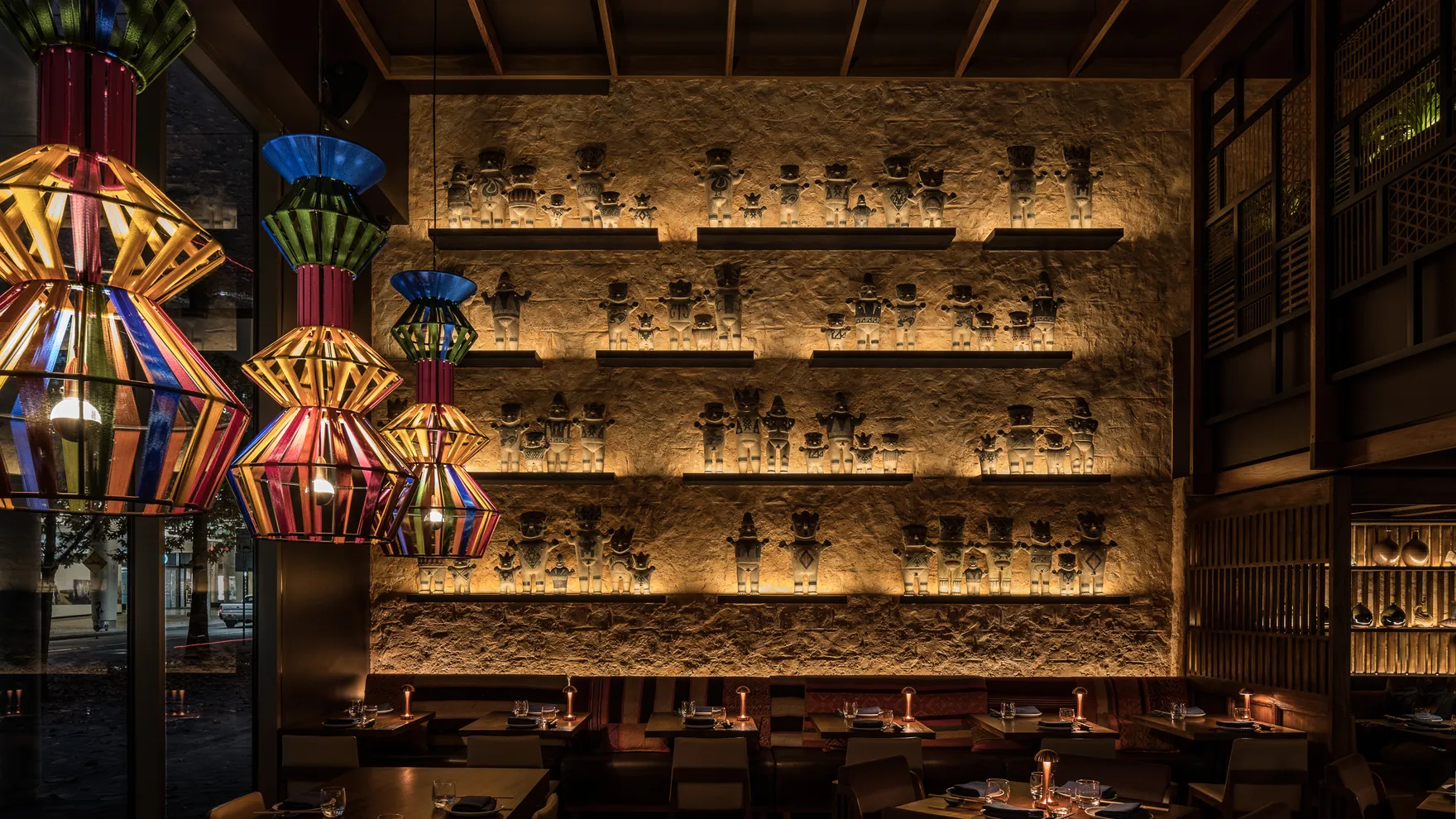
INKA Japanese restaurant
The menu marks many dishes as GF, including edamame, ceviche, sashimi, maki rolls, tempura-free options, and most robata grill items.
Per-allergen evidence
The menu marks many dishes as GF, including edamame, ceviche, sashimi, maki rolls, tempura-free options, and most robata grill items. Many dishes, particularly sushi and maki, contain soy sauce, and the kitchen is shared. No dedicated fryer or separate gluten-free prep area is mentioned. The menu is best suited to confident coeliacs who can order from the explicitly marked GF dishes and confirm cross-contamination handling with staff.
Several menu items are labeled as vegan, including Edamame, Guacamole, Nasu Dengaku (which contains mixed nuts), Agedashi Tofu, Daikon Salad, Yasai Maki, and steamed Gohan rice with vegetable sides. Vegan diners with nut allergies should check. The kitchen is shared without dedicated vegan equipment, and the menu is vegan-friendly, though confirmation with staff is advised.
The menu tags many vegetarian items, marking options like Edamame, Guacamole, Nasu Dengaku, Agedashi Tofu, Daikon Salad, Yasai Maki, Crispy Potatoes, and Pumpkin Salad with V or VG, though the Pumpkin Salad contains feta so it is not vegan but still vegetarian-friendly. Matcha Cheesecake receives a V tag. The kitchen is shared and no dedicated prep area is noted. A good range of vegetarian dishes is available.
Most dishes on the menu carry a DF label, meaning dairy-free. This includes ceviches, sashimi, maki rolls, robata items, and sides, all clearly marked. A few dishes contain dairy. The Pumpkin Salad has feta cheese, the Crispy Potatoes are vegetarian but not dairy-free, and the Matcha Cheesecake is also vegetarian yet not DF. Those items do not carry the tag. The range of dairy-free options is good, though the kitchen is a shared space where dairy products are present.
The menu has extensive seafood options (sashimi, ceviche, tiradito, oysters, prawns, scallops, crab, fish maki) and many vegetable sides. However, no specific pescatarian marking. Many seafood dishes are naturally pescatarian-friendly. Shared kitchen with meat dishes.
Several dishes contain shellfish (oysters, prawns, soft shell crab, scallops, blue swimmer crab) and these are not marked with a shellfish-free code. However, many fish-based dishes (sashimi, ceviche, tiradito) are GF/DF and likely shellfish-free. The menu does not consistently flag shellfish content; check each dish. Shared kitchen with significant shellfish handling.
No nut-free code is used, and several dishes explicitly contain mixed nuts, such as Nasu Dengaku, Pumpkin Salad, and Wagyu Tataki with walnut mustard, while many others, including edamame, nasu dengaku, and wagyu tacos, include sesame and may have nut traces. No marking system or dedicated equipment is mentioned, so the risk for nut-allergic diners is high, and calling ahead to discuss is advised.
There is no egg-free code on the menu. Several dishes, including maki rolls with creamy toppings, certain sauces, and desserts, likely contain egg, and there are no specific markings or dedicated equipment for egg-free items. It is best to contact the venue directly.
The menu does not mark soy content. Many dishes use soy-based ingredients like tamari, miso, and yakiniku tare, and there is no soy-free marking system. Soy-allergic diners face a high risk; calling ahead is advised.
No low-FODMAP marking or specific information on the menu. Some dishes (e.g., plain sushi, sashimi, plain steamed rice) may be naturally low-FODMAP, but the menu does not cater to this diet. Shared kitchen with high-FODMAP ingredients (onion, garlic, legumes). Not recommended without calling ahead.
There are no sugar-free labels. Many dishes rely on sweet sauces like yakiniku tare, citrus marinades, ponzu, and miso, and those almost certainly contain added sugar. Desserts contain sugar. The restaurant is not suitable without calling ahead to discuss.
Since this restaurant does not mark items as keto-friendly, several protein-rich options like sashimi, grilled meats, and ceviche may be low-carb, but sushi rice, corn, sweet potato, and numerous sauces contain carbs. It is not a keto-focused venue, and calling ahead allows for customisation.
Always confirm with venue staff before ordering. Tiers and accreditations are guides, not guarantees.
Read the methodology →