Habash Ethiopian Restaurant and Bar
Vegan diners are well catered for.
Per-allergen evidence
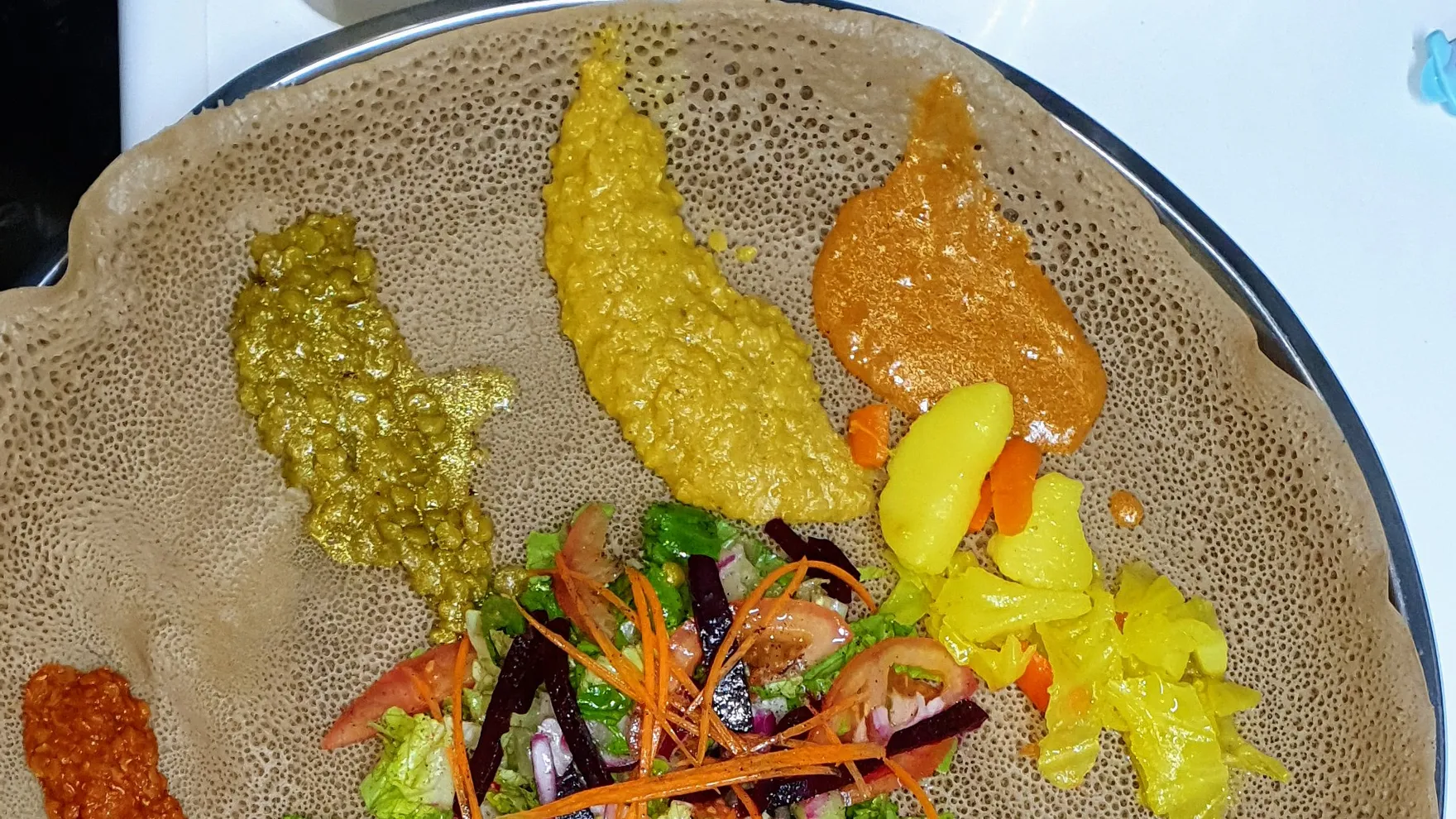
Vegan diners are well catered for. The vegan combo plate is a staple, and the kitchen separates meat from vegetable dishes. When seated, the diner chooses the meat or veggie option. The menu is mixed, with meat dishes served as well, but staff are described as friendly and willing to explain the vegan dishes. No dedicated fryer or separate prep is reported, though for a stew-based cuisine the cross-contact risk is low. Vegans should confirm directly with staff that their platter uses no butter or honey.
[1] Verified blog Habesh - Ethiopian Injera, Vegan Plate in Jerusalem | Spinach, spinach.guide
Vegan-friendly guide; menu poorly marked, staff friendly, vegan combo plate recommended, meat separable from veggie.fetched May 31, 2026[2] Verified blog Habash Ethiopian Restaurant and Bar, Jerusalem, Israel - Reviews, Ratings, Tips and Why You Should Go – Wanderlog, wanderlog.com
The aggregator page describes the food as naturally gluten-free and vegan, mentions teff injera, and contains no allergen markings or details about kitchen practices.fetched May 31, 2026[3] Aggregator Delicious vegetarian food - Habash Ethiopian Restaurant and Bar, Jerusalem Traveller Reviews - Tripadvisor, TripAdvisor
TripAdvisor reviews; no menu, choose meat or veggie option, injera is gluten-free and dairy-free, not kosher but food kosher-style.fetched May 31, 2026Vegetarian options are prominent, with multiple lentil, bean, pea, and vegetable stews served on injera. The veggie option is the default unless meat is requested. The menu is mixed but the cuisine's structure keeps vegetarian and meat dishes separable. No marked menu or staff training reported, but the cooking style gives vegetarians a solid foundation. Whether the injera batter or any stew uses eggs or dairy is a point to confirm for those with such concerns.
[1] Verified blog Habesh - Ethiopian Injera, Vegan Plate in Jerusalem | Spinach, spinach.guide
Vegan-friendly guide; menu poorly marked, staff friendly, vegan combo plate recommended, meat separable from veggie.fetched May 31, 2026[2] Verified blog Habash Ethiopian Restaurant and Bar, Jerusalem, Israel - Reviews, Ratings, Tips and Why You Should Go – Wanderlog, wanderlog.com
The aggregator page describes the food as naturally gluten-free and vegan, mentions teff injera, and contains no allergen markings or details about kitchen practices.fetched May 31, 2026[3] Aggregator Delicious vegetarian food - Habash Ethiopian Restaurant and Bar, Jerusalem Traveller Reviews - Tripadvisor, TripAdvisor
TripAdvisor reviews; no menu, choose meat or veggie option, injera is gluten-free and dairy-free, not kosher but food kosher-style.fetched May 31, 2026The core dishes, including injera and lentil, bean, or vegetable stews, are traditionally dairy-free. A TripAdvisor review explicitly notes that the injera contains no milk. The venue is listed on FindMeGlutenFree's dairy-free page. However, the kitchen does not use marked menus, and staff allergy knowledge is unverified. This restaurant is suitable for dairy-intolerant diners who are comfortable asking questions, but those with a severe dairy allergy should confirm that no butter or ghee is used in the stews.
[1] Aggregator Delicious vegetarian food - Habash Ethiopian Restaurant and Bar, Jerusalem Traveller Reviews - Tripadvisor, TripAdvisor
TripAdvisor reviews; no menu, choose meat or veggie option, injera is gluten-free and dairy-free, not kosher but food kosher-style.fetched May 31, 2026[2] Aggregator Gluten-Free Dairy-Free Friendly Places in Abu Ghosh, Israel, FindMeGlutenFree
The FMGF dairy-free listing has no gluten-free menu, though injera appears as a gluten-free item. One user review exists, and there is no dairy cross-contact information.fetched May 31, 2026The kitchen separates meat and vegetable options. Fish is not mentioned in any source, though Ethiopian cuisine in Israel sometimes includes fish dishes. A pescatarian should ask staff about any fish stew or tilapia option and confirm that vegetable dishes contain no meat stock. There are good options for a diner who can communicate their needs directly.
Ethiopian cuisine commonly uses chickpeas, lentils, and other legumes rather than tree nuts or peanuts, with reviews noting stews made from lentils, beans, peas, and flax. No source mentions nuts as an ingredient or as a kitchen hazard. A diner concerned about nut allergy should call ahead to confirm that peanut butter or nut-based sauces are not used, and should ask about cross-contact from shared fryers if the kitchen fries anything nut-coated.
[1] Verified blog Habesh - Ethiopian Injera, Vegan Plate in Jerusalem | Spinach, spinach.guide
Vegan-friendly guide; menu poorly marked, staff friendly, vegan combo plate recommended, meat separable from veggie.fetched May 31, 2026[2] Verified blog Habash Ethiopian Restaurant and Bar, Jerusalem, Israel - Reviews, Ratings, Tips and Why You Should Go – Wanderlog, wanderlog.com
The aggregator page describes the food as naturally gluten-free and vegan, mentions teff injera, and contains no allergen markings or details about kitchen practices.fetched May 31, 2026[3] Aggregator Delicious vegetarian food - Habash Ethiopian Restaurant and Bar, Jerusalem Traveller Reviews - Tripadvisor, TripAdvisor
TripAdvisor reviews; no menu, choose meat or veggie option, injera is gluten-free and dairy-free, not kosher but food kosher-style.fetched May 31, 2026Traditional Ethiopian stews and injera contain no added sugar, and a review describes the food as 'all natural'. No source mentions sugar as an ingredient or offers sugar-free claims. Diners with sugar intolerance should verify directly with staff and ask about any dressings or sauces that might contain sugar.
[1] Verified blog Habash Ethiopian Restaurant and Bar, Jerusalem, Israel - Reviews, Ratings, Tips and Why You Should Go – Wanderlog, wanderlog.com
The aggregator page describes the food as naturally gluten-free and vegan, mentions teff injera, and contains no allergen markings or details about kitchen practices.fetched May 31, 2026[2] Aggregator Delicious vegetarian food - Habash Ethiopian Restaurant and Bar, Jerusalem Traveller Reviews - Tripadvisor, TripAdvisor
TripAdvisor reviews; no menu, choose meat or veggie option, injera is gluten-free and dairy-free, not kosher but food kosher-style.fetched May 31, 2026Injera is a fermented grain flatbread made from teff flour and is not suitable for strict keto. The stews, which contain lentils, beans, and peas, are also high in carbs. No source mentions keto-friendly options. A diner following keto should call ahead and ask about meat-only or low-carb vegetable sides; the kitchen may accommodate by customising a plate of meat with salad, but this is not established practice.
The cuisine is traditionally gluten-free because Ethiopian injera uses teff flour instead of wheat. The venue appears on FindMeGlutenFree, and several reviews mention the food is naturally free of gluten. However, the restaurant has no marked gluten-free menu, no details on kitchen cross-contact practices, and no staff allergy training reports. Although the dish base is promising for diners managing gluten sensitivity, those with coeliac disease should call ahead to ask about shared prep surfaces and fryers before relying on it.
[1] Verified blog Habesh - Ethiopian Injera, Vegan Plate in Jerusalem | Spinach, spinach.guide
Vegan-friendly guide; menu poorly marked, staff friendly, vegan combo plate recommended, meat separable from veggie.fetched May 31, 2026[2] Verified blog Habash Ethiopian Restaurant and Bar, Jerusalem, Israel - Reviews, Ratings, Tips and Why You Should Go – Wanderlog, wanderlog.com
The aggregator page describes the food as naturally gluten-free and vegan, mentions teff injera, and contains no allergen markings or details about kitchen practices.fetched May 31, 2026[3] Aggregator Delicious vegetarian food - Habash Ethiopian Restaurant and Bar, Jerusalem Traveller Reviews - Tripadvisor, TripAdvisor
TripAdvisor reviews; no menu, choose meat or veggie option, injera is gluten-free and dairy-free, not kosher but food kosher-style.fetched May 31, 2026[4] Aggregator Most Celiac Friendly Restaurants in Abu Ghosh, Israel - 2026, FindMeGlutenFree
The restaurant holds an FMGF listing with one user review, no dedicated gluten-free menu, and injera described as gluten-free by nature. No cross-contact information is provided.fetched May 31, 2026[5] Aggregator Gluten-Free Dairy-Free Friendly Places in Abu Ghosh, Israel, FindMeGlutenFree
The FMGF dairy-free listing has no gluten-free menu, though injera appears as a gluten-free item. One user review exists, and there is no dairy cross-contact information.fetched May 31, 2026Always confirm with venue staff before ordering. Tiers and accreditations are guides, not guarantees.
Read the methodology →