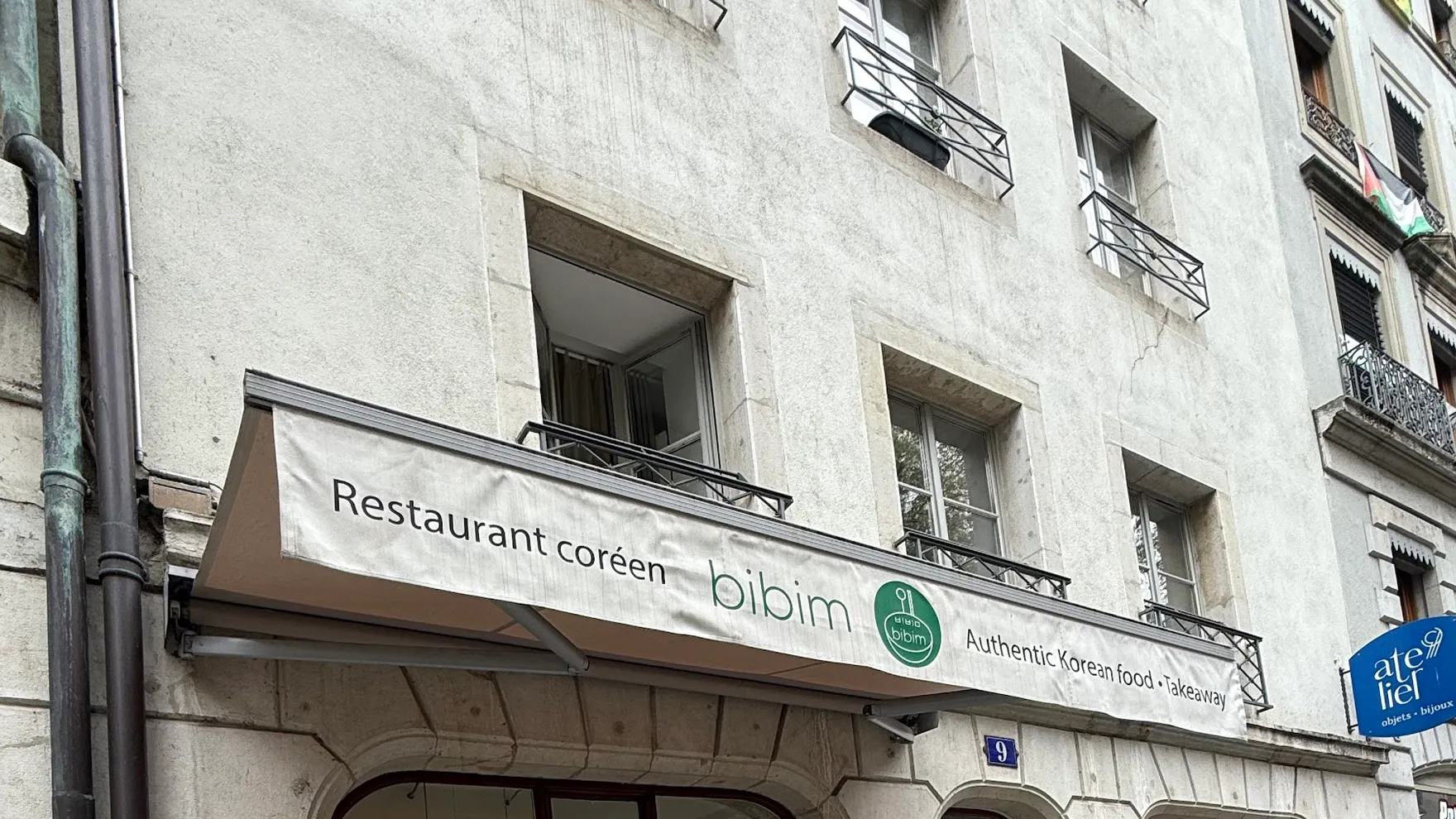
Bibim
The tofu bibimbap (CHF 22) and side dishes including japchae and baechu kimchi are explicitly listed as vegetarian.
Per-allergen evidence
The tofu bibimbap (CHF 22) and side dishes including japchae and baechu kimchi are explicitly listed as vegetarian. No dedicated vegetarian preparation area is noted, though the dishes are naturally plant-based.
[1] Verified blog Bibim | Authentic Korean Food in Geneva, bibim.ch
The venue's own website lists bibimbap (beef/pork/tofu), japchae, kimchi, and yakgwa on its menu. It includes no allergen markings or dietary notes.fetched May 25, 2026[2] Verified blog Bibim menu et prix – Genève – Livraison à domicile | Uber Eats, ubereats.com
The Uber Eats menu carries bibimbap (beef/pork/tofu), japchae, kimchi, yakgwa, and drinks, with no allergen markings. A note states: 'Contact restaurant for allergies.'fetched May 26, 2026Bibim's menu lists rice-based bibimbap and sweet potato noodles (japchae), both naturally gluten-free, though the kitchen is shared and no dedicated equipment or gluten-free marking is mentioned. Soy sauce appears as a menu choice, which typically contains wheat unless specified otherwise. Staff awareness is not documented. Coeliac diners should call ahead to discuss cross-contamination protocols.
[1] Verified blog Bibim | Authentic Korean Food in Geneva, bibim.ch
The venue's own website lists bibimbap (beef/pork/tofu), japchae, kimchi, and yakgwa on its menu. It includes no allergen markings or dietary notes.fetched May 25, 2026[2] Verified blog Bibim menu et prix – Genève – Livraison à domicile | Uber Eats, ubereats.com
The Uber Eats menu carries bibimbap (beef/pork/tofu), japchae, kimchi, yakgwa, and drinks, with no allergen markings. A note states: 'Contact restaurant for allergies.'fetched May 26, 2026A tofu bibimbap is available, and japchae (sweet potato noodles with vegetables) and yakgwa (traditional cookie) could be vegan, but the menu does not mark vegan items. The bibimbap base includes egg by default. Staff awareness of vegan requirements is not documented. Best to confirm ingredients directly.
[1] Verified blog Bibim | Authentic Korean Food in Geneva, bibim.ch
The venue's own website lists bibimbap (beef/pork/tofu), japchae, kimchi, and yakgwa on its menu. It includes no allergen markings or dietary notes.fetched May 25, 2026[2] Verified blog Bibim menu et prix – Genève – Livraison à domicile | Uber Eats, ubereats.com
The Uber Eats menu carries bibimbap (beef/pork/tofu), japchae, kimchi, yakgwa, and drinks, with no allergen markings. A note states: 'Contact restaurant for allergies.'fetched May 26, 2026Egg is a standard ingredient in all bibimbap bowls, listed as 'egg' in the description, but the menu does not indicate whether it can be omitted on request. No egg-free alternatives are listed. Anyone with an egg allergy should confirm with staff before ordering.
[1] Verified blog Bibim | Authentic Korean Food in Geneva, bibim.ch
The venue's own website lists bibimbap (beef/pork/tofu), japchae, kimchi, and yakgwa on its menu. It includes no allergen markings or dietary notes.fetched May 25, 2026[2] Verified blog Bibim menu et prix – Genève – Livraison à domicile | Uber Eats, ubereats.com
The Uber Eats menu carries bibimbap (beef/pork/tofu), japchae, kimchi, yakgwa, and drinks, with no allergen markings. A note states: 'Contact restaurant for allergies.'fetched May 26, 2026The menu does not mention dairy-containing ingredients explicitly, but bibimbap toppings (egg, beef, pork) and sauces (red chili paste, soy sauce) are likely dairy-free. No dairy-free marking or staff training is documented. Diners with dairy intolerance should ask about hidden dairy in sauces or sides.
[1] Verified blog Bibim | Authentic Korean Food in Geneva, bibim.ch
The venue's own website lists bibimbap (beef/pork/tofu), japchae, kimchi, and yakgwa on its menu. It includes no allergen markings or dietary notes.fetched May 25, 2026[2] Verified blog Bibim menu et prix – Genève – Livraison à domicile | Uber Eats, ubereats.com
The Uber Eats menu carries bibimbap (beef/pork/tofu), japchae, kimchi, yakgwa, and drinks, with no allergen markings. A note states: 'Contact restaurant for allergies.'fetched May 26, 2026Soy sauce is offered as a sauce choice for bibimbap, and japchae (sweet potato noodles) likely uses soy sauce in preparation. The menu does not specify whether gluten-free or low-sodium soy sauce is available. No soy-free options are marked. Diners with soy allergy should inquire about alternatives.
[1] Verified blog Bibim | Authentic Korean Food in Geneva, bibim.ch
The venue's own website lists bibimbap (beef/pork/tofu), japchae, kimchi, and yakgwa on its menu. It includes no allergen markings or dietary notes.fetched May 25, 2026[2] Verified blog Bibim menu et prix – Genève – Livraison à domicile | Uber Eats, ubereats.com
The Uber Eats menu carries bibimbap (beef/pork/tofu), japchae, kimchi, yakgwa, and drinks, with no allergen markings. A note states: 'Contact restaurant for allergies.'fetched May 26, 2026Always confirm with venue staff before ordering. Tiers and accreditations are guides, not guarantees.
Read the methodology →