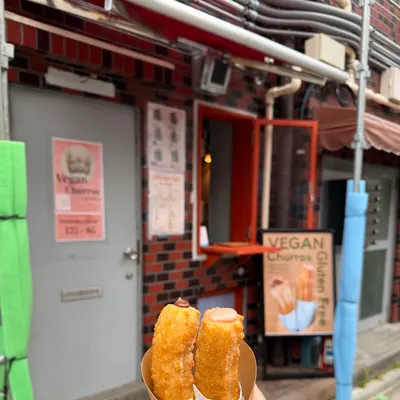
Vegan Churros ~G'DAY~
Asakusa · Cafe · Vegan100% vegan churro stand. All flavours are plant-based with no animal products used. The kitchen is dedicated to vegan ingredients: no dairy, eggs, or any other animal-derived items on premises.
22 Kita City restaurants rated for coeliac, vegan, halal, kosher, and major allergens. Every tier backed by cited sources.

100% vegan churro stand. All flavours are plant-based with no animal products used. The kitchen is dedicated to vegan ingredients: no dairy, eggs, or any other animal-derived items on premises.


All dishes are 100% vegan. No animal products are used anywhere in the kitchen. The venue's website confirms every item is plant-based, making cross-contact with non-vegan ingredients structurally impossible. No allergen marks or further kitchen details are provided. The vegan claim is definitive.

Injoy is a pure shojin (Buddhist vegan) kitchen, and no animal-derived ingredients are used anywhere on the premises. Dairy, eggs, meat, fish, and honey are structurally absent, so cross-contamination with animal products is impossible. All dishes are 100% plant-based.

The entire menu is gluten-free. Since the venue is operated by a gluten-free cafe in Kawasaki City, the kitchen is effectively dedicated to gluten-free preparation. All dishes are safe for coeliacs; confirm with staff for extra assurance.

The entire concept and menu are fully plant-based, with no animal ingredients used. The FAQ advises guests to disclose allergies at booking, though it notes that seasonings may contain trace amounts of allergens, meaning cross-contact is possible for severe cases.
The entire menu is strictly vegan, with the venue's own site stating 'No animal products, No artificial food coloring, No artificial flavors, No additives, No alcohol, No preservatives.' The restaurant is centred on plant-based gyoza; no dedicated kitchen or fryer is noted, but the concept and ingredient list leave no room for animal-derived ingredients.

Bon serves traditional shojin ryori, a Buddhist vegetarian cuisine that by definition excludes meat, fish, and all animal products. The restaurant's website directly recommends it for vegetarians. The sample menu features plant-based dishes such as modern rice rolls and kanpyo. Though the core cuisine is inherently vegetarian, no allergen markings or dedicated equipment are specified on the site, so specific ingredient concerns should be confirmed with the kitchen.

This fully vegan cafe operates a 100% plant-based kitchen. No animal products are kept on the premises. Guests with allergies or religious dietary needs are asked to notify the venue at reservation time. Same-day requests may not be accommodated. The kitchen warns of possible trace cross-contamination in the shared cooking environment. Those with severe allergies should exercise caution.

Multiple independent sources describe Shochikuen Cafe as a fully vegan cafe. Its kitchen offers plant-based cakes, burgers, and pizzas. No animal products appear on the menu. There is no official accreditation or venue statement available. However, consistent third-party reports from blogs and directories give strong reason to trust the vegan status. Confirm with staff if cross-contamination with animal products is a concern.

Entirely plant-based menu: all dishes are vegan, no animal products used at all, and staff are all vegan themselves, ensuring strong knowledge. No dedicated kitchen or fryer needed as the whole operation is vegan.

Oh Nana! is a 100% gluten-free Japanese cafe and restaurant in Tokyo, run by a coeliac owner, which means the kitchen is entirely free from gluten. Because no gluten enters the kitchen, no dedicated fryer or separate prep area is required. The menu carries no individual dish markings, as every item is safe. Those with concerns are advised to call ahead and confirm current practices.

The entire menu is vegan. No animal-derived ingredients such as meat, fish, dairy, eggs, or honey are used. Multiple items are labelled VEGAN. The kitchen is shared, and a cross-contact warning applies, but the risk for ethical veganism is low. Staff are attentive via the booking form. That makes the restaurant a reliable choice for vegans.

Gonpachi offers a gluten-free menu with items like sushi, tempura, and rice bowls, though the kitchen is shared and gluten-free-japan.com labels it 'Risk Aware' to indicate potential cross-contamination. Staff are reportedly accommodating, but coeliac diners should confirm their needs directly with the kitchen.

Nezunoya is a Japanese vegan restaurant (和食ヴィーガンレストラン) in Tokyo. The kitchen is not described as dedicated vegan; honey is sold on occasion and explicitly labelled as not vegan (note: customers should verify). No menu items are allergen-marked, and staff knowledge and cross-contact practices are unconfirmed. Call ahead to confirm suitability for strict vegan needs.

Limited information: we researched NUGA across 11 sources but found nothing specific about its Coeliac · Gluten-free options or how the kitchen manages cross-contamination. Treat this as a starting point and call ahead to confirm before relying on it.

Limited information: we researched Hearth Ikebukuro across 11 sources but found nothing specific about its Coeliac · Gluten-free options or how the kitchen manages cross-contamination. Treat this as a starting point and call ahead to confirm before relying on it.

Limited information: we researched Yanaka Naka Cafe Stand across 11 sources but found nothing specific about its Coeliac · Gluten-free options or how the kitchen manages cross-contamination. Treat this as a starting point and call ahead to confirm before relying on it.

The venue’s website advertises a gluten-free menu and states that customers with allergies are welcome. No details are provided about dedicated equipment, cross-contamination protocols, or staff training. There is no independent verification or menu marking. A call ahead to discuss needs is recommended before visiting.
Limited information: we researched Bistro Katori across 8 sources but found nothing specific about its Coeliac · Gluten-free options or how the kitchen manages cross-contamination. Treat this as a starting point and call ahead to confirm before relying on it.

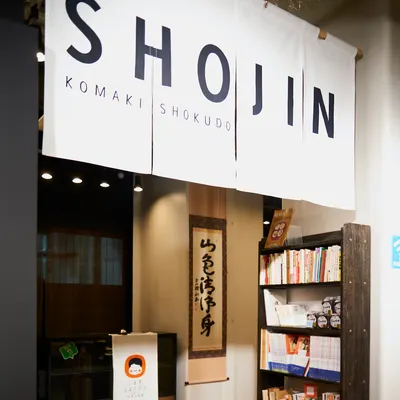
The restaurant is described on its official website as shojin ryori (zen cuisine), a traditional Buddhist plant-based diet that excludes all animal products including meat, fish, dairy, eggs, and honey. However, no details are provided about kitchen practices, dedicated equipment, or whether the kitchen accommodates strict vegan needs. Calling ahead to discuss requirements is advised.

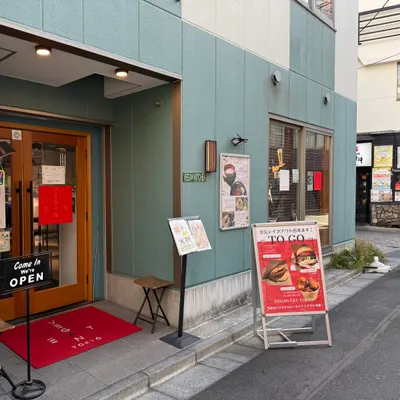
Limited information: we researched Vegan Eat Tokyo across 11 sources but found nothing specific about its Coeliac · Gluten-free options or how the kitchen manages cross-contamination. Treat this as a starting point and call ahead to confirm before relying on it.

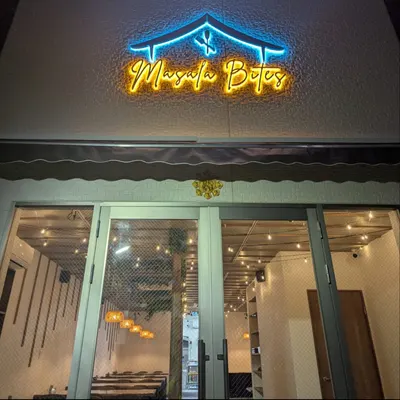
Limited information: we researched Masala Bites マサラ バイツ across 11 sources but found nothing specific about its Coeliac · Gluten-free options or how the kitchen manages cross-contamination. Treat this as a starting point and call ahead to confirm before relying on it.