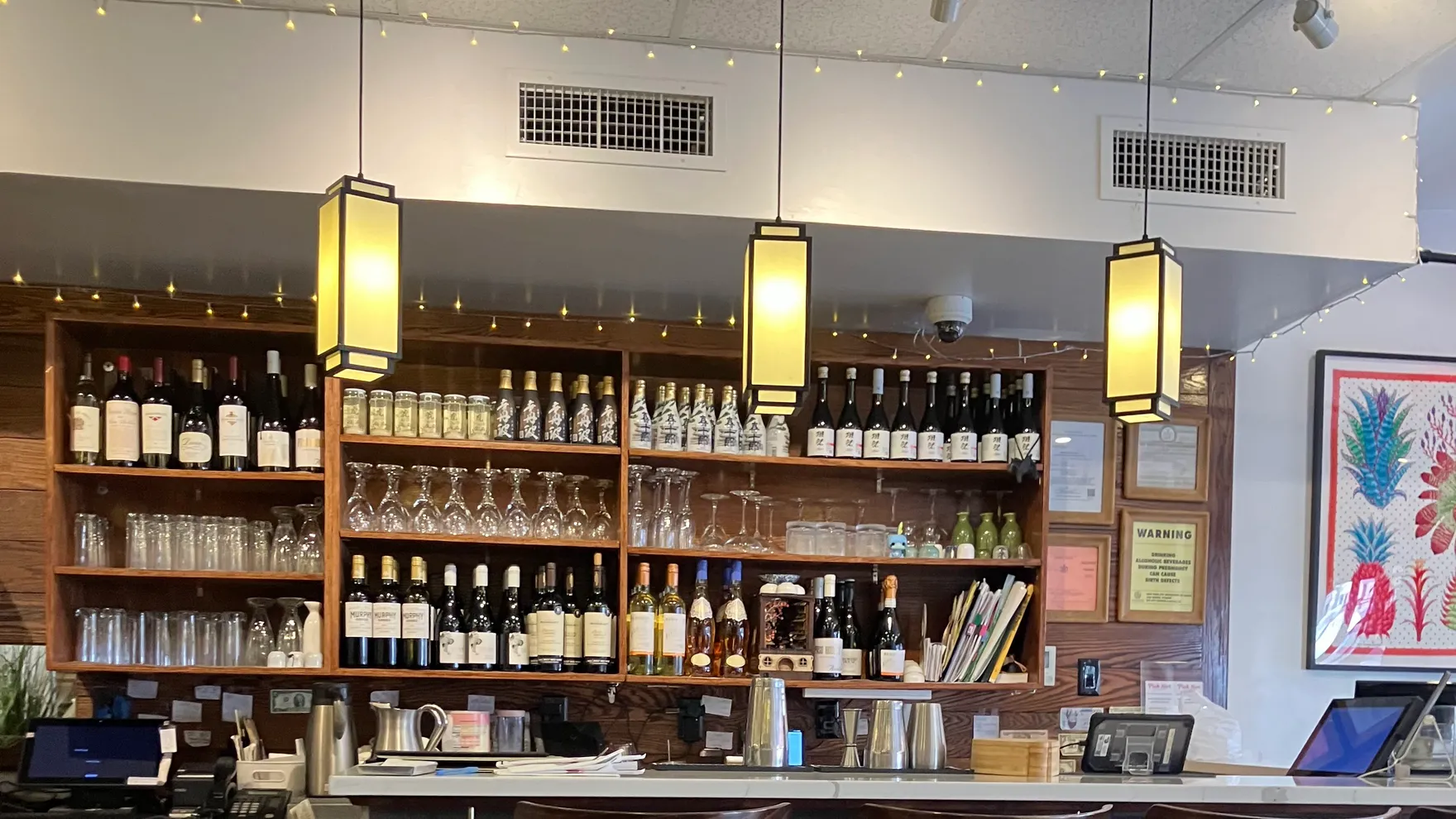
Lilli and Loo
Lilli and Loo has operated a dedicated gluten-free menu for over 15 years, with a separate 'Gluten Free Menu' section listing GF starters, soups, entrees, noodles/rice, and sushi.
Per-allergen evidence
Lilli and Loo has operated a dedicated gluten-free menu for over 15 years, with a separate 'Gluten Free Menu' section listing GF starters, soups, entrees, noodles/rice, and sushi. The venue describes itself as a 'beacon among Upper East Side gluten-free restaurants' and 'where the art of Chinese cuisine meets the mindful approach of gluten-free cooking.' A coeliac travel blogger (miriamsduvetdays) confirmed a dedicated gluten-free menu was sent to her directly and noted awareness of cross-contamination risks (e.g. shared fryers). The howtotravelglutenfree.com blogger (self-described coeliac) notes 'good cross-contact protocols.' A Yelp reviewer notes 'fully gluten free' ordering for a coeliac fiancé. The menu itself uses gluten-free soy sauce for sushi and indicates rice-flour rolls. However, no source confirms a fully dedicated kitchen or structural separation of all prep areas, regular menu items containing gluten (Lo Mein, egg rolls, scallion pancakes, tempura, wontons) are also listed. No recognised accreditation is evidenced. Tier C: marked GF menu plus stated cross-contact awareness and protocols, but shared kitchen with gluten-containing items present.
[1] Official Lilli & Loo - Food Menu, Lilli and Loo (official menu)
Full food menu with separate 'Gluten Free Menu' section covering starters, soups, pasta/rice, entrées, sushi; uses GF soy sauce; flags peanuts, eggs, cashews per-dish; lists a 'Soy Free White' sauce option.fetched May 7, 2026[2] Verified blog Lilli & Loo - Midtown, UES, New York, NY, lexington.lilliandloonyc.com
The venue's homepage describes itself as a "beacon among Upper East Side gluten-free restaurants." One Yelp review quotes a coeliac fiancé ordering a dish that is "fully gluten free." Another reviewer notes that "most if not all" items are gluten-free. The page also links to an allergen guide.fetched May 7, 2026[3] Verified blog Best New York City Gluten Free Guide (Including Pizza) 2026, howtotravelglutenfree.com
A coeliac travel blogger includes Lilli and Loo on a list of UES gluten-free Chinese restaurants, citing 'good cross-contact protocols' and a large gluten-free menu that includes spring rolls and desserts.fetched May 7, 2026[4] Verified blog The Big (gluten free) Apple · Miriams Duvet Days, miriamsduvetdays.co.uk
A coeliac blogger received a dedicated gluten-free menu directly from the venue. The blogger explicitly noted awareness of cross-contamination risk from shared fryers and planned to dine there twice.fetched May 7, 2026Multiple dishes on both the standard and gluten-free menus explicitly contain peanuts, as indicated by dish descriptions such as Cold Sesame Noodles with 'sesame soy peanut dressing', Pad Thai 'topped with crushed peanuts', Masaman Curry 'with peanuts', Kung Pao 'with peanuts', House Salad 'honey walnuts', and Pineapple Fried Rice with cashews. These callouts suggest some allergen awareness. However, peanuts and tree nuts are present throughout the menu in a shared kitchen. No nut-free prep area or dedicated protocols have been evidenced. Tier D: allergen-aware labelling on individual dishes, but nuts present across the menu with an acknowledged shared kitchen.
The menu explicitly flags eggs in several dishes, e.g., Classic Fried Rice 'contains eggs', Pineapple Fried Rice 'contains eggs', Spicy Thai Noodles 'contains eggs', Pad Thai with egg, Bhutan Fried Red Rice 'with eggs', Singapore Noodles 'with eggs', Oriental Noodles 'contain eggs', House Fried Rice 'contain eggs'. This indicates per-dish allergen awareness on the menu. Eggs are present in a shared kitchen across multiple dishes. Tier D: marked on relevant dishes but shared kitchen with no dedicated prep.
Shellfish (shrimp, crab, lobster, scallops implied in sushi) feature prominently across the menu in a shared kitchen. The menu does not flag shellfish-free options or provide dedicated shellfish-free prep. Cross-contamination is highly likely in a kitchen handling this volume of shrimp, crab, and seafood. Tier D: shellfish widely present, shared kitchen, no shellfish-free protocols evidenced.
The menu includes substantial fish and seafood options across all sections, as well as extensive meat options (chicken, beef, pork). Pescatarian diners can order fish/seafood/vegetarian dishes but there is no pescatarian marking; meat is prepared in the same kitchen. Tier D: pescatarian dishes available, no dedicated prep.
The menu lists multiple vegetarian options across all sections (e.g. Vegetable Spring Roll, Tofu & Mixed Vegetables, Organic Tofu substitutions, vegetarian dumplings, edamame, vegetable rolls, Pad Thai with tofu). However, there is no explicit vegetarian marking or labelling on the menu, and dishes are prepared in a kitchen that also handles meat and seafood. Tier D: options available but no dedicated prep and no marked vegetarian labelling.
Soy is a pervasive ingredient in a Chinese restaurant kitchen (soy sauce, soy-based sauces). Notably the menu lists a 'Soy-Free White' sauce option under Steamed Fresh Garden Vegetables, and the gluten-free sushi section uses 'gluten-free soy sauce.' This indicates some soy-free accommodation is available on request, but soy is present throughout the shared kitchen. Tier D: soy-free option listed on one dish; no structural separation.
Always confirm with venue staff before ordering. Tiers and accreditations are guides, not guarantees.
Read the methodology →