SearchTokyo
Free-from restaurants in Tokyo
52 Tokyo restaurants rated for coeliac, vegan, halal, kosher, and major allergens. Every tier backed by cited sources.
SearchTokyo
52 Tokyo restaurants rated for coeliac, vegan, halal, kosher, and major allergens. Every tier backed by cited sources.
Browse by allergen
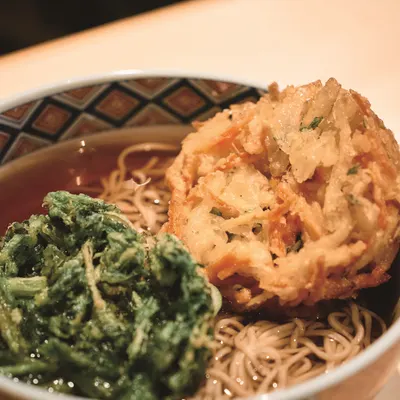
100% vegan soba shop in Shimokitazawa, established November 2024. HappyCow's listing categorises it as 'Fully vegan' and 63+ vegan/vegetarian reviewers consistently describe every menu item — soba, tempura, curry udon, miso ramen, yuba dessert, drinks — as plant-based, with no animal products on premises.
100% vegan cafe — the entire menu is plant-based with no animal products on the premises, structurally impossible to cross-contaminate. Multiple aggregators (HappyCow, Vegewel, Atly, Itadakimap) and 20+ vegan diners corroborate fully-vegan status with organic, additive-free, handmade preparation.
The venue's name explicitly includes '(Gluten-free)' and the Instagram account 'glutenfree. hayashi.labo' is a dedicated gluten-free menu development and event planning account, indicating the venue is a 100% gluten-free dedicated kitchen. The Google Places listing confirms the website is the same Instagram account. No gluten-containing ingredients are on the premises.
The entire concept is explicitly gluten-free (グルテンフリー); all menu examples use rice flour (米粉) and the owner's previous brand 'aika' was also fully gluten-free. The kitchen is dedicated by design—no gluten-containing ingredients appear anywhere in the source. No formal accreditation, but the structural setup (100% gluten-free kitchen) qualifies for Tier S.
The venue is explicitly a fully vegan café (name and multiple sources confirm). No animal products are used on premises, making the kitchen 100% dedicated to vegan food. This is structurally safe for ethical vegan diners.
NachuRa is a dedicated gluten-free sweets specialty shop (グルテンフリースイーツ専門店) in Shibuya/Yoyogi park; the shop states all products are made with no wheat flour (小麦粉不使用), using rice flour instead, and individual products are tagged 小麦アレルギー対応 (wheat-allergy compatible).
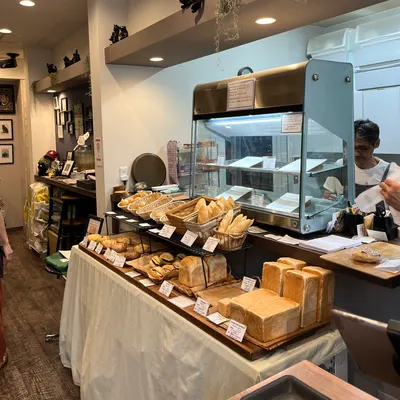
Dedicated gluten-free bakery and shop in Tokyo. The owner, who has a gluten allergy herself, ensures everything is celiac-friendly. All products are rice-flour based and gluten-free. Multiple independent reviews confirm no gluten on premises and safe for coeliac diners. Tabelog lists it as a gluten-free specialty shop.
The official menu explicitly offers a 'Plant based course' that is entirely plant-based, and the TableCheck listing categorises the venue as 'Vegan'. The menu states the course is made from 'vegetables, beans and grains (all plant-based)'. This is strong evidence that the venue is fully vegan, with no animal products used in the described dishes.
Fully plant-based sushi restaurant in Shibuya with a 100% vegan kitchen — no animal products are used on premises. Founder Shu Kudo has followed a vegan lifestyle since 2016 (insider-led), and reviewers confirm the entire menu, including miso soup, pickles, and sake, is vegan.
The venue's homepage states 'All our menu is 100% plant-based' and the business name includes 'NATURAL VEGAN FOOD', indicating a fully vegan kitchen with no animal products on premises.
100% vegan kitchen in Meguro: HappyCow and aggregator listings categorise Alaska zwei as a fully vegan restaurant ('this place is now COMPLETELY Vegan'), and Vegewel and Itadakimap both describe it as a vegan cafe. Across 53 HappyCow reviews regulars consistently identify themselves as vegan diners and refer to the menu as entirely plant-based.
The venue brands itself as 'Vegan Bistro Jangara' (ヴィーガンビストロじゃんがら), a dedicated vegan bistro branch of the Kyushu Jangara chain. The official menu lists plant-based (植物性) vegan ramen options. No animal products are served; the kitchen is presumed 100% vegan-dedicated.
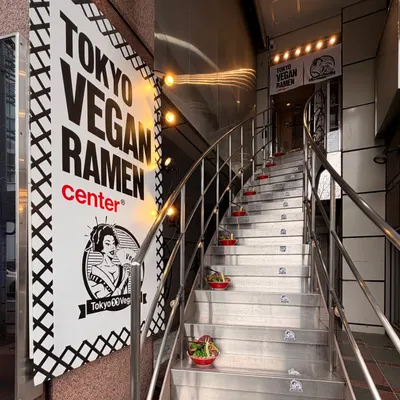
Fully vegan restaurant with a dedicated kitchen; named 'Vegan Ramen Center' and described as a vegan food van serving entirely plant-based dishes.
Miller Cake Store is a dedicated gluten-free takeout cake shop using rice flour and no wheat, white sugar, or preservatives. The official website confirms all items are gluten-free ('米粉使用のグルテンフリー'). Listed among 100% gluten-free spots by How to Coeliac and described as a '100% gluten-free bakery' by The Celiac MD. A coeliac travel blogger recommends it for celiacs. One aggregator (Gluten Free Japan) flags a shared environment risk, but this is contradicted by the venue's own explicit claims and multiple other sources; the venue appears to be a dedicated kitchen with no wheat on the premises.
100% dedicated gluten-free bakery using only rice flour; no wheat flour on premises. Official website and multiple coeliac reviewers confirm dedicated kitchen with no cross-contamination risk. No formal accreditation but structurally safe.
The venue's name explicitly includes 'gluten-free SOBA' and '十割生そば' (100% buckwheat soba), indicating a dedicated gluten-free offering. The Instagram profile name 'zuzu_shinjuku_juwarisoba' uses 'juwari' (十割) which means 100% buckwheat, inherently gluten-free. The Google Places listing confirms the venue is a physical restaurant in Shinjuku, Tokyo. While no formal accreditation is cited, the structural fact of serving only 100% buckwheat soba (which is naturally gluten-free) and branding as 'gluten-free SOBA' strongly suggests a dedicated gluten-free kitchen or at minimum a menu built entirely around gluten-free ingredients. However, without explicit confirmation of a dedicated kitchen or accreditation, and given the limited direct evidence about kitchen practices, a conservative Tier S is assigned based on the venue's core identity as a 100% buckwheat soba specialist.
Fully vegan restaurant; all menu items are plant-based. The venue describes itself as an 'organic & vegan restaurant' and the menu contains only vegan dishes, including vegan curry, tofu-based desserts, and plant-based drinks. No animal products are used in the kitchen.
All menu items are labelled 'Gluten Free' and the venue describes itself as a gluten-free pancake café using 100% domestic rice flour. A coeliac blogger lists Rizlabo Kitchen under 'Other 100% Gluten Free Spots'. FindMeGlutenFree shows 73 safety ratings with positive coeliac feedback. The kitchen appears to be 100% dedicated to gluten-free food; no wheat-based items are offered.
100% vegan kitchen; no animal products used or on premises. Confirmed by multiple sources including the restaurant's own claims and vegan directory listings.
100% gluten-free dedicated bakery and cafe in Futako-tamagawa (opened April 2018), serving rice-flour bread ("Nikopan"), baumkuchen, cinnamon rolls and other GF baked goods. Multiple verified-celiac reviewers on FindMeGlutenFree (including symptomatic coeliacs) consistently mark the venue as "Dedicated GF" and the kitchen is reported to be entirely gluten-free; the venue trades under the name "Gluten Free Cafe Tamakuchen".
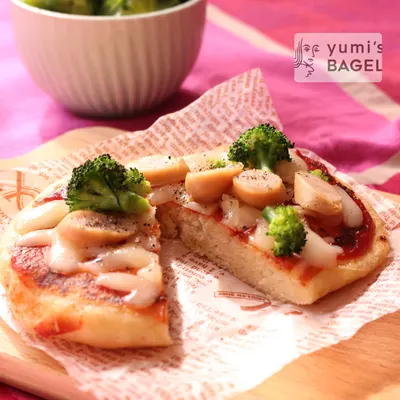
Gluten-free bagel shop using rice flour; all bagels are gluten-free. Owner promotes gluten-free lifestyle (authored a book on gluten-free). No gluten-containing ingredients on premises. Verifiably safe kitchen.
100% gluten-free kitchen across all three Tokyo locations (Roppongi, Ueno Hirokoji, Harajuku) — the venue states it serves no wheat, barley or rye, and self-identifies as Asia's first gluten-free certified restaurant. A verified coeliac diner independently corroborates it as 'fully gluten free' and 'safe and reliable.' Honest caveat retained because the venue's own menu page warns that some ingredients come from factories that also handle wheat.
Honest caveat, Venue notes some ingredients are produced in shared facilities that also handle wheat, so highly sensitive coeliacs should ask before ordering.
100% dedicated gluten-free venue in Kichijoji that bakes its own rice-flour bread, bagels and baguettes on-site. More than two dozen verified-coeliac reviewers on FindMeGlutenFree report 'Dedicated GF', 'completely safe for coeliacs' and no symptoms over multiple visits. As of February 2026 the sit-down restaurant portion has closed and the shop now operates as a bakery only (per two recent reviewers), but the kitchen remains entirely gluten-free.
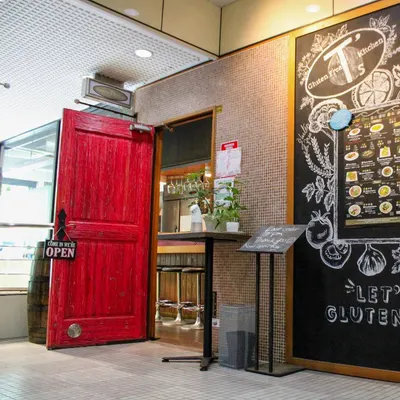
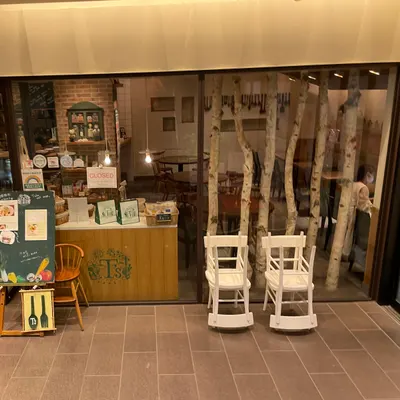
T's Restaurant describes itself as a 100% vegan kitchen — 'お肉や魚介類、卵・乳製品をいっさい使用せずに' (no meat, fish/seafood, eggs, or dairy used at all), using only plant-based ingredients like vegetables, soy meat, and soy milk. The brand has operated as a dedicated vegan restaurant in Jiyugaoka since 2009 and supplies a vegan cup-noodle line with ANA's premium economy.
C'est du nanan (NANAN TOKYO) is a 100% gluten-free sweets shop using only domestic rice flour, with all products made in a dedicated rice-flour workshop (米粉専用工房). The entire menu — dorayaki, butter sandwiches, baked-goods assortments, and rice bagels — is gluten-free with no wheat on the premises.
100% gluten-free kushiage specialty restaurant — the entire course menu is built around gluten-free deep-fried skewers, and even the appetizer vinegar is specified as gluten-free rice vinegar. Reservation-only with a mandatory allergy-detail form. Evidence is currently limited to the venue's own TableCheck listings; awaiting independent coeliac diner reports.
Dedicated vegan ramen specialty shop: 'お肉・魚介・乳製品・卵等の動物性食材を一切使わず' (uses no animal ingredients whatsoever — no meat, seafood, dairy, or eggs). 100% vegan kitchen by design. Part of the T's Restaurant brand which markets itself as 'vegan + gluten-free'.
Oh Nana! is a 100% gluten-free kitchen with no gluten-containing products allowed on the premises; the owner has coeliac disease herself (and so does her daughter). Multiple coeliac diners report zero symptoms across visits, and the venue advertises 'Japan-first Western-standard celiac compatibility.' Reported safety features include a dedicated kitchen, dedicated fryer, dedicated kitchen space, and staff trained to change gloves/clean surfaces.
Self-describes as a 100% gluten-free kitchen using only ingredients naturally free from wheat, barley and rye, and claims to be 'Asia's first certified gluten-free restaurant'. The venue itself flags a minimal cross-contamination risk at the production source for some imported ingredients, but no gluten-containing dishes are prepared on premises. Classification rests almost entirely on the venue's own marketing — no independent coeliac-diner reports or named accreditation body confirmed in the supplied sources.
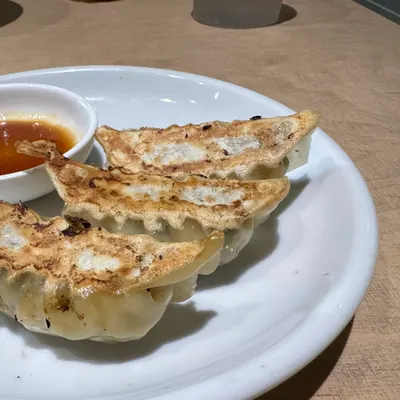
100% vegan kitchen — the entire concept is plant-based gyoza made from soy meat, vegetables, olive oil, and sea salt. Product listings explicitly state 'No animal products, No artificial food coloring, No artificial flavors, No additives, No alcohol, No preservatives'.
100% vegan restaurant. The HappyCow listing and the venue's own Instagram profile confirm the entire menu is plant-based. The Vegan Society accreditation source is a general page about the society, not a specific certification for this venue, so it does not contribute to an accreditation-based Tier S. However, the venue is described as a fully vegan restaurant by multiple sources, making it structurally impossible for animal products to be on the premises.
The venue is named 'Vegan Cafe PQ's' and explicitly states it is a 'VEGANカフェ' (VEGAN cafe) on its own lit. link page. The Vegan Society accreditation source confirms the venue is listed as a Vegan Society Trademark holder, meeting the accredited path to Tier S.
Fully vegan restaurant with a dedicated plant-based kitchen; no animal products on premises. Chef Monkey-san serves a seasonal vegan tasting menu. No formal accreditation but multiple independent sources confirm 100% vegan operation.
The restaurant is a 100% vegan establishment: all dishes are plant-based, no animal products are used in the kitchen (path (i) of Tier S). The official homepage states '全て植物性の食材を使用' (all plant-based ingredients), and the owner and staff are all vegan. HappyCow categorises it as fully vegan. No animal-derived ingredients are present on the premises.
The restaurant is described as fully vegan by multiple customer reviews ('the menu is fully vegan', 'the restaurant is vegan'). The owner operates as a one-man kitchen and the venue's stated ideal is to recreate rich tonkotsu ramen in vegan form. Multiple reviews confirm the food is vegan. This is insider-led: the owner's philosophy drives the menu.
The venue's name 'SHOJIN RAMEN 菜' and its official menu explicitly list three ramen dishes labeled 'ヴィーガン' (vegan), including a tonkotsu-style ramen described as using no animal products. The menu shows only vegan ramen offerings, suggesting the kitchen is plant-based by design. However, the venue opened on 27 April 2026 and there are no external reviews or accreditation to independently verify a fully dedicated vegan kitchen.
Specialist gluten-free restaurant; the venue states it does not use wheat, barley, or rye in its cooking, and self-describes as Asia's first gluten-free-certified restaurant (specific body not named). Owner/operators run the brand explicitly for gluten-free diners. Caveat: some sourced ingredients may come from factories that also handle wheat, and the venue itself notes it cannot guarantee against all allergens given limited kitchen space.
Family-run cafe where the owner's daughter has gluten intolerance herself and is in charge of all allergy/English communication. A separate gluten-free menu is offered with dedicated fryer, cookware, utensils, and freshly replaced oil for each GF order. The kitchen is shared (not dedicated), and the owner explicitly states 'Walkins:LimitedMenu*NotCoeliacSafe' while pre-booked guests receive full-menu strict safety protocols. Multiple coeliac diners report zero reactions and high confidence. Advance booking is mandatory for strict dietary needs.
Not a dedicated gluten-free facility, but gluten-free buns are available, a dedicated fryer is reported, and staff will accommodate requests. Multiple symptomatic coeliac reviews confirm safe experiences when instructions are clearly communicated. Two independent reports note staff confusion between gluten-free and vegan, and one order error where the bun was not switched.
Honest caveat, Two independent reports of staff confusion between gluten-free and vegan orders, and one order error where the bun was not switched.
Two-storey ramen spot in Shibuya with a dedicated gluten-free menu (ramen, gyoza, fried chicken). Aggregator and community sources report trained staff, dedicated appliances and low cross-contamination risk, though it is not a fully dedicated GF kitchen. Repeat coeliac and gluten-intolerant diners describe it as a reliable GF ramen fix in central Tokyo.
The venue's own menu lists a 'Gluten-free beauty soy milk carbonara' (グルテンフリー美肌豆乳カルボナーラ) and mentions 'gluten-free salt koji fried chicken' (グルテンフリーの塩こうじから揚げ). The venue describes itself as offering 'gluten-free lunch' (グルテンフリーランチ). However, the kitchen is a shared izakaya/dining bar serving dishes with wheat (e.g. pasta, tacos, roast beef), so cross-contamination risk is present. No dedicated gluten-free kitchen, accreditation, or owner-led coeliac avoidance is mentioned.
Ivy Place offers a marked gluten-free menu (GF items indicated) and has a dedicated fryer reported by one diner, but operates a shared kitchen (no dedicated gluten-free facility). Staff are described as knowledgeable and willing to check with the kitchen. Multiple coeliac diners report safe experiences, though the FindMeGlutenFree listing warns the establishment is not dedicated and may not be safe for coeliac disease.
fruta& presents itself as a 100% gluten-free cafe & dessert bar in Aoyama — the official site states the entire menu is gluten-free, and multiple coeliac diners on FindMeGlutenFree marked the venue as 'Dedicated GF' with positive safety experiences. However, FindMeGlutenFree's own boilerplate flags it as 'NOT a dedicated gluten-free facility', and Gluten Free Japan describes it as a shared environment with cross-contamination risk, so we treat it as a gluten-free-forward kitchen rather than a verified dedicated one until further evidence emerges.
Menu marks every dish V (vegan) or M (meat); the entire cafe/sweets section and all drinks are vegan, with soy and almond milk options as standard. White sugar is not used in sweets. Lunch plates can be ordered vegan or with meat.
The restaurant is built around halal wagyu — operator copy across multiple languages states the Ginza kitchen serves ramen and burgers made with '100% Japanese Halal Wagyu' and is run by a fifth-generation butcher, and it is indexed in the HaloDish halal-restaurant directory. No formal certification body (e.g. MUIS) is named in the sources, so this reads as a Muslim-friendly kitchen with dedicated halal sourcing rather than third-party-accredited halal.
Marked GF menu with dedicated equipment (separate utensils, prep areas, and a buckwheat pizza dough imported from Nepal made fresh to order) in a shared Italian kitchen. The Nepalese owner is publicly committed to coeliac safety, asks GF customers to reserve in advance so dough can be prepped separately, and multiple celiac reviewers report no reactions across roughly 20 first-person reviews. Reports on a dedicated fryer are mixed (one reviewer notes 'no dedicated fryer') so this is not a fully dedicated GF setup.
Vegewel lists unkimika with a vegan menu icon, but the venue's own website does not detail dietary offerings. No evidence of dedicated vegan kitchen or certification. Shared preparation area is assumed; vegan options are marked on the menu.
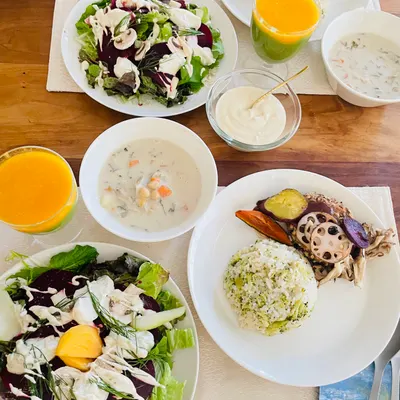
Vegetable-forward farm-to-table concept built around 150 varieties of organic vegetables from their own 36,000-tsubo farm, with a daily-changing lunch buffet of kale, beets and seasonal produce. Reviewers consistently describe it as vegetarian-friendly with strong options; staff proactively warned one vegetarian diner that a tofu salad contained fish. Menu is not formally marked vegetarian but the kitchen handles vegetarian requests competently.
Clearly marked vegan options including desserts, soft serve (almond milk), and main dishes (falafel, lasagna, avocado toast). The venue is vegan-friendly but not entirely vegan (meat/fish served). Shared kitchen with no dedicated vegan prep area.
The restaurant explicitly markets itself as halal in its name, TableCheck listing, and social media snippets. It claims 100% Japanese halal wagyu and is Muslim-friendly. No third-party halal certification is cited, and no source describes dedicated kitchen equipment or staff-led halal practice. Cross-contamination risk is unaddressed.
Gluten-free items marked on menu; brown rice noodles available as substitute for any ramen. The kitchen is not dedicated gluten-free and shared equipment is used, as noted by FindMeGlutenFree. Multiple reviews from sensitive coeliacs report no reaction, but cross-contamination risk is present.
Honest caveat, Not a dedicated gluten-free facility; cross-contamination risk acknowledged.
Gluten-free dough is available on request (developed by PIZZERIA ICARO). The venue has a dedicated GF pizza oven and a separate prep area, but the kitchen is not dedicated: gluten ingredients are stored and handled in the same building, and cross-contamination is a known risk. The official menu does not mark GF items per dish. Multiple coeliac diners report no symptoms, but two independent sources warn that the setup is not safe for coeliac disease.
Honest caveat, One symptomatic coeliac reviewer reported cross-contamination from shared ingredients stored downstairs; another reviewer stated the pizza is not suitable for coeliacs.